Bertrand B, who began misusing substances at 9, became a passionate advocate for young people facing similar battles. Individuals share how milestone celebrations, facilitated by tracking their sobriety through the NA sobriety calculator, have been pivotal in their recovery. These moments of recognition provide not just validation of their efforts but also an opportunity to inspire others with their testimony. Highlighting the significance of both short-term and long-term sobriety, these stories underscore the continuous nature of recovery. Like most famous people in recovery, Affleck’s journey was filled with periods of sobriety followed by relapses. The actor first checked into rehab in 2001, followed by additional rehab stints in 2017 and 2019.
- Just over six years ago, pills and booze had me defeated.
- Sponsors help navigate the complexities of sobriety, providing insight into the program’s principles and offering a living example of the program in action.
- For eighteen months, I immersed myself in the program every single day.
- This interplay makes it crucial to address both issues simultaneously in treatment.
Success Stories from the Online Space
- For the past twelve years I have lived in Fort McMurray, AB.
- He had committed to sober living and expected his children to respect his rules concerning alcohol in the home.
- Former addictions counselors, recovery advocates, nonprofit leaders—many found their calling through their struggle.
- However, amidst the struggles and challenges, there are stories of triumph and transformation that inspire hope and ignite change.
- This tale of renewal and empowerment fits perfectly into the framework of Inspire Recovery initiatives, shining a light on how setbacks can shape stronger comebacks.
- When I was 19, I got engaged, and shortly after she became pregnant.
His recovery journey proves the power of holistic healing approaches. Downey Jr. committed himself to a 12-step rehab program but also pursued therapy sessions, meditation, and Wing Chun Kung Fu. This blend of physical activity and mindfulness helped the actor rebuild his physical and mental health. The stigma surrounding addiction can present a significant barrier to recovery, causing individuals to feel ashamed, isolated, and hesitant to seek help.
Overview of Addiction Recovery Stories
It’s a gradual descent, often beginning with seemingly innocent experimentation or as a misguided attempt to cope with life’s challenges. For many, the journey starts in their teenage years or early adulthood, a time of curiosity and rebellion. Maybe you’ve been leaning on alcohol too much to try to cope with the COVID-19 pandemic. Maybe you enjoyed a successful Dry January, so you’re questioning alcohol’s role in your life.
Emma’s struggle with addiction was marked by periods of denial and avoidance of the underlying issues contributing to her substance abuse. The cycle of addiction seemed unbreakable until a pivotal moment sparked Sober living house a desire for change. Mark’s struggles with addiction plunged him into a cycle of despair and self-destruction.
Belief in Overcoming Challenges

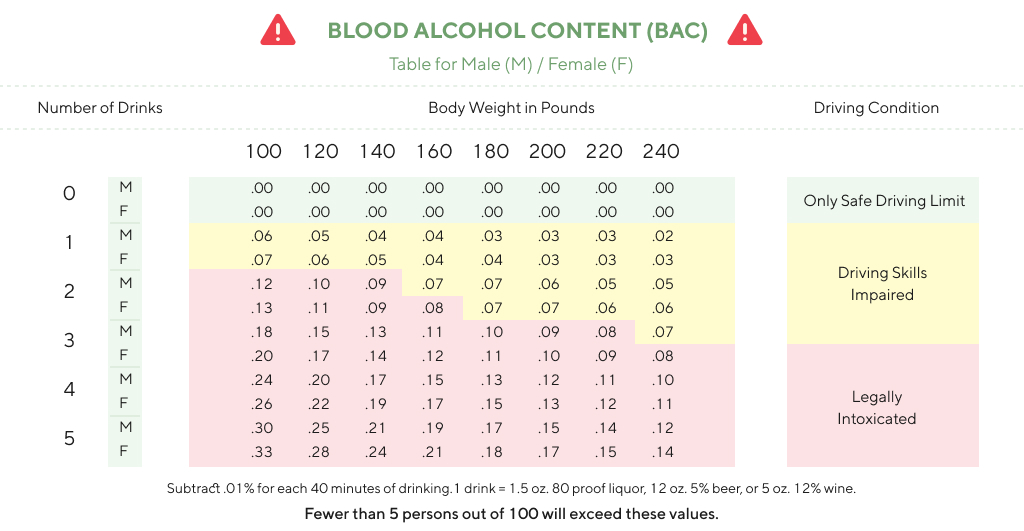
My birth mother was only 16 when she found out she was pregnant so she had me and gave me up for adoption. I was adopted into an Irish Catholic family in Toronto where both my parents were alcoholics. When I got discharged from the hospital later that morning, I still had a blood alcohol content of .16. I was still drunk and I was mad at them, but I was mostly mad at myself for getting so carried away the night before.

These inspiring journeys often involve multiple pathways from outpatient treatment and support groups to sober living communities and recovery coaches. While transformation tales vary, successful recovery often combines professional help with strong support networks. Statistics show that individuals typically need five attempts before achieving lasting recovery. Real-life recovery stories offer powerful testimony to the human spirit’s resilience and capacity for transformation. You’ll find hope in knowing that 22.3 million Americans have reclaimed their lives from substance use disorders, with three out of four people ultimately achieving recovery.
Sad Quotes for Finding Comfort in Our Heaviest Times
Their recovery journeys often involve thousands of repetitions of therapeutic exercises that gradually rebuild neural connections. Rehabilitation success stories frequently highlight the importance of incremental progress. Many who achieve remarkable recoveries describe setting ambitious but achievable goals that expanded as their strength returned. Recovery from serious illness often begins with the shocking disruption of normal life and identity. Whether cancer, stroke, heart disease, or other major health challenges, these conditions force individuals to confront mortality and redefine priorities.
Adaptive technologies play an increasingly important role in these recovery narratives. From sophisticated prosthetics to everyday assistive devices, these tools help bridge the gap between physical limitations and full participation in life. Many who achieve remarkable recoveries become advocates for accessibility and inclusion, transforming their personal challenges into social impact.
I am a Registered Nurse, my passion is to help people and ease suffering. I went through eight centers, each one offering cookie-cutter solutions that didn’t touch the core of what I was struggling with. The tools I was given weren’t enough to untangle the complex web of trauma, nervous system dysregulation, and emotional pain that kept me stuck. Use of this site constitutes acceptance of Sober Recovery’s “Terms of Use”, “Privacy Policy”, “Cookie Policy”, and “Health Disclaimer”. The material on this site is for informational purposes only, and is not a substitute for medical advice, diagnosis or treatment provided by a qualified health care provider. Recovery with the proper tools can help remind you why you started this journey in the first place.
Role of Sober Living Homes
That tough love gave me the inspirational drug recovery stories chance to finally start over. Addiction can be a cunning disease that whispers to you that you don’t have a problem at all. Because of this, reaching out and seeking support from family, friends, or professionals is a vital, brave move.
They remind us that no matter how far down the path of addiction someone has gone, redemption is still attainable. One inspiring example of a turning point is John’s story. He struggled with substance abuse for years until a life-altering event made him realize he had hit rock bottom. With the support of a rehabilitation program, John embarked on a spiritual and emotional journey of self-discovery.